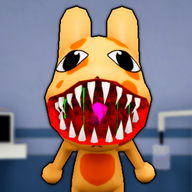
Mastering Animal Hospital Anomaly Security: A Complete Guide to Every Threat
Learn how to identify and neutralize every threat with our animal hospital anomaly security guide, covering CCTV, photo, and patient anomalies in Roblox.
Running a medical facility in the high-stakes world of Roblox horror is a stressful endeavor, but maintaining proper animal hospital anomaly security is what separates the survivors from the victims. In this game, your primary objective isn't just healing pets; it's identifying the supernatural entities trying to infiltrate your ward under the guise of being patients. Understanding the nuances of animal hospital anomaly security ensures that you can spot a Skinwalker or a Stalker before they enter the surgical suite and wreak havoc on your staff.
The core of the gameplay involves a delicate balance between administrative duties and paranormal defense. While some animals truly need medical attention, others are sinister anomalies intent on causing physical harm or draining your sanity. By following a strict security protocol, you can protect the hospital and successfully complete your shifts. This guide breaks down the various classes of threats and the specific actions required to keep your facility safe from the unknown.
Understanding Anomaly Classifications
While the game itself does not provide an official categorization system for these threats, community reports and expert players have grouped them into four distinct types based on how they are detected. Establishing a framework for animal hospital anomaly security helps players react faster when a threat appears. These categories allow you to focus your attention on specific tools at specific times, such as the reception desk, the camera monitors, or the internal hallways.
The four primary categories of anomalies include Patients, CCTV sightings, Photographic discrepancies, and internal Hazards. Each requires a different detection method and a unique response strategy. For instance, a hazard requires active movement or item usage, whereas a patient anomaly usually only requires you to deny entry by closing the security shutters.
Front-Desk Security: Detecting Patient Anomalies
The reception desk is your first line of defense. This is where most animal hospital anomaly security protocols are initiated. When a patient approaches the counter, you must look for subtle visual cues that indicate they aren't what they seem. Some anomalies are obvious, such as a patient with three glowing eyes, while others are more unsettling, like a character with hand-drawn facial features.
If you identify a patient anomaly, the standard operating procedure is to close the shutters immediately. This prevents the entity from entering the facility. Speed is of the essence here; hesitating can lead to an infiltration that makes the rest of your shift significantly more difficult. Below are the most common physical deformities and behaviors to watch for at the counter.
Advanced Surveillance: Using CCTV for Security
Once you have completed your first shift, you unlock the security camera system. This is a vital component of animal hospital anomaly security because many entities can disguise their physical form perfectly at the counter. However, the camera lens often reveals their true nature. Players should make it a habit to check the monitor for every single patient, even those who look completely normal to the naked eye.
The CCTV system can reveal "Skinwalkers" and other monsters that use advanced camouflage. If the monitor shows something different than what you see through the reception window, you are dealing with a high-level threat. The following table highlights what to look for when toggling between the window and the security feed.
Photographic Evidence and Discrepancies
As part of the standard intake process, you are required to take a Polaroid photo of every patient. This step is a crucial layer of animal hospital anomaly security that can catch anomalies that even the CCTV might miss. After the flash goes off, wait for the photo to develop and compare it closely to the patient standing in front of you.
Sometimes the photo will be completely distorted by supernatural interference, or it will reveal that the patient’s anatomy is incorrect. For example, if you are checking in a cat but the photo shows the ears of a different species, that is an immediate red flag. Never skip the photo review process, as it is often the only way to catch "Subtle" anomalies.
Internal Hazards and Hospital Maintenance
Even with the best reception protocols, hazards can manifest inside the building. These are not always "patients" you let in; sometimes they are environmental manifestations or entities that bypassed your initial screening. To maintain animal hospital anomaly security within the wards, you must be equipped with the right tools, such as coffee, tasers, and fire extinguishers.
Internal hazards are more interactive than reception anomalies. You cannot simply close a shutter to make them go away. You must often engage with them or maneuver around them to ensure the safety of your actual patients and yourself. Community reports suggest that staying mobile and keeping your ears open for audio cues is the best way to survive these encounters.
Survival Tactics and Essential Equipment
To enhance your animal hospital anomaly security protocols, you need to understand the utility of every item at your disposal. The hospital provides several tools that serve dual purposes: medical treatment and anomaly defense. Knowing when to use a medical item as a weapon is a hallmark of an experienced player.
- The Taser and Gun: These are your primary defensive weapons against physical entities like Skinwalkers, Hiders, and Ghosts. Use them sparingly but decisively when an anomaly enters your personal space.
- Fire Extinguisher: Beyond putting out fires in empty rooms, this tool is essential for clearing green slime from the floors and stunning Slimebert during Toxic Shifts.
- Coffee: While it might seem like a simple beverage, coffee is used to calm "Head Bangers" and is the only way to extinguish the candles during a Death Ritual.
- Cough Syrup: Player experience suggests that holding Cough Syrup while Slimebert is attacking can mitigate damage and help you escape his grasp.
- Eye Drops: These are specifically used for the "Mass of Eyes" anomaly found on ceilings, providing a non-combative way to deal with the grotesque flesh blobs.
If you fail to uphold animal hospital anomaly security at the front desk, you may be forced to perform emergency surgery on "Fake Patients." These are actually Skinwalkers in disguise. If you suspect a patient on the operating table is a fake, use your Taser immediately to prevent a lethal encounter.
Frequently Asked Questions
How do I improve my animal hospital anomaly security?
Improving your security starts with a "check twice" mentality. Always look at the patient through the window, then check the CCTV monitor, and finally review the Polaroid photo. By using all three detection methods for every patient, you minimize the risk of letting a threat inside.
What should I do if a Skinwalker gets inside?
If a Skinwalker manages to bypass your reception desk, you must switch to offensive tactics. Use a Taser or a Gun to neutralize the threat. If you are caught without a weapon, you can attempt to attack them with your bare hands, though this is significantly more dangerous and should be a last resort.
Is animal hospital anomaly security different during Toxic Shifts?
Yes, Toxic Shifts introduce unique hazards like Slimebert, a roaming blob of slime that can consume both you and your patients. During these shifts, the fire extinguisher becomes your most important security tool, as it is required to stun Slimebert and free any patients he has trapped.
What happens if I look at the Stalker?
Looking directly at the Stalker will cause a rapid depletion of your Sanity meter. To maintain your mental health and security, you should only view the Stalker in your peripheral vision. If you see his long, scrawny limbs at the edge of your screen, look away immediately to avoid the negative effects.
Sources
Related Guides
Roblox Animal Hospital Anomaly Paramedic Guide: How to Identify and Survive Every Threat
Master your shift with our comprehensive Roblox Animal Hospital anomaly paramedic guide. Learn to spot and neutralize all anomalies.
Surviving the Shift: The Ultimate Animal Hospital Anomaly Doctor Guide
Master the art of identifying supernatural threats as an Animal Hospital anomaly doctor. Learn to spot, manage, and survive every patient encounter.